Choosing the Right Bitcoin Mining Devices
Bitcoin mining has become a popular way to earn cryptocurrency, but success depends heavily on the equipment you choose. Selecting the right bitcoin mining devices can make a significant difference in profitability, efficiency, and long-term sustainability. This guide will walk you through the essential factors to consider when choosing mining hardware, helping you make an informed decision.
Understanding Bitcoin Mining Devices
Bitcoin mining devices are specialized hardware designed to solve complex mathematical problems that validate transactions on the Bitcoin network. These devices compete to add new blocks to the blockchain, earning rewards in the form of bitcoins. The efficiency and power of these devices directly impact your mining success.
There are several types of mining devices available, ranging from general-purpose CPUs and GPUs to highly specialized ASIC miners. Each type has its advantages and disadvantages, depending on your budget, electricity costs, and mining goals.

Key Factors to Consider When Choosing Bitcoin Mining Devices
When selecting bitcoin mining devices, several critical factors should guide your decision:
1. Hash Rate
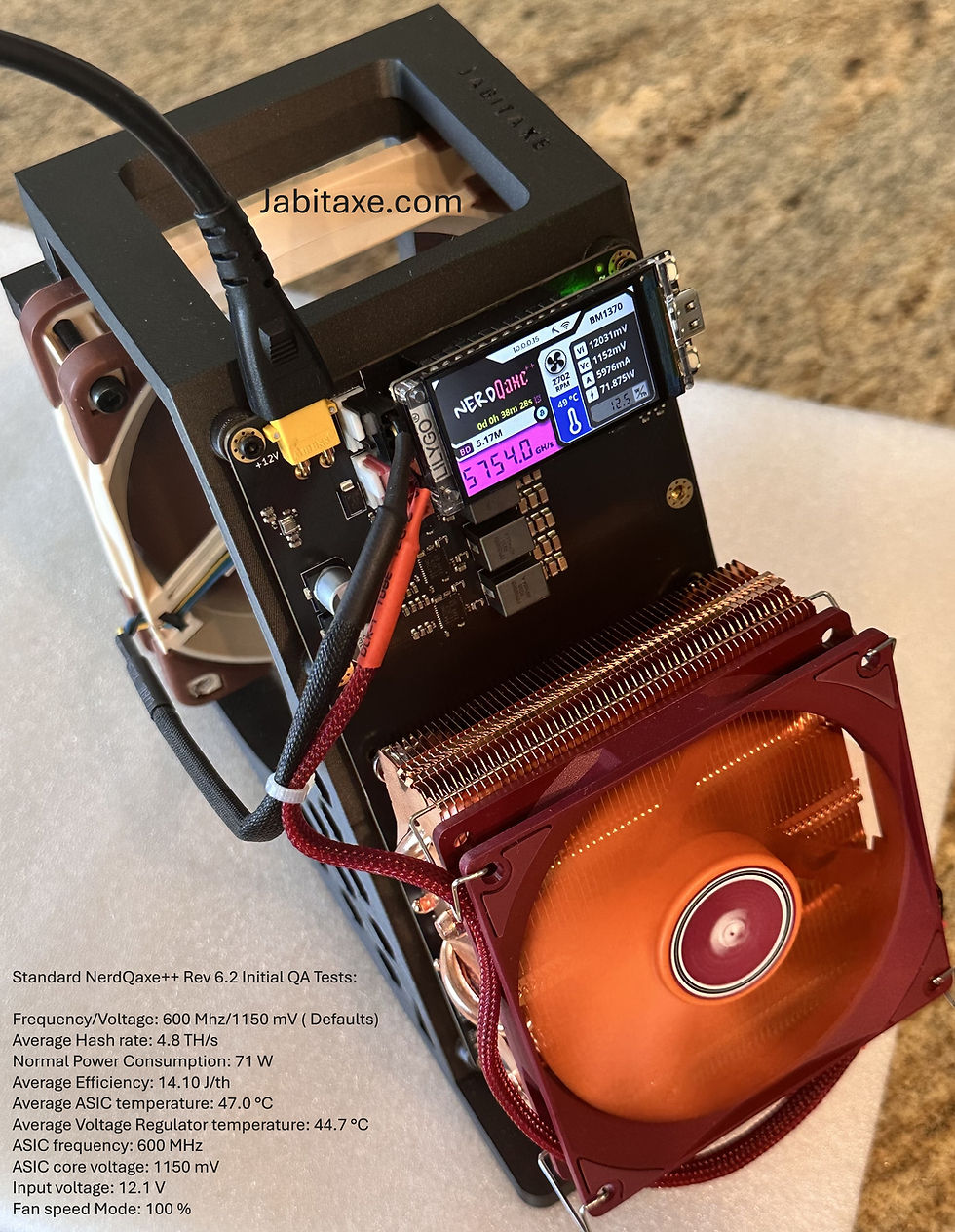
The hash rate measures how many calculations a mining device can perform per second. A higher hash rate means more chances to solve the cryptographic puzzles and earn rewards. Look for devices with a high hash rate relative to their power consumption.
2. Power Consumption
Electricity costs are a major expense in bitcoin mining. Efficient devices consume less power while maintaining a high hash rate. Calculate the cost of electricity in your area and compare it with the device’s power usage to estimate profitability.
3. Initial Cost and ROI
Mining devices vary widely in price. While high-end ASIC miners can be expensive, they often provide faster returns on investment (ROI) due to their efficiency. Consider your budget and how quickly you want to recoup your investment.
4. Durability and Warranty
Mining devices run continuously and can overheat. Choose hardware from reputable manufacturers that offer warranties and reliable customer support. Durable devices reduce downtime and maintenance costs.
5. Noise and Heat Output
Mining rigs can be noisy and generate significant heat. If you plan to mine at home or in a small space, consider devices with lower noise levels and efficient cooling systems.
What is a mining device?
A mining device is a piece of hardware specifically designed to perform the calculations required to mine cryptocurrencies like Bitcoin. These devices vary in complexity and power, from simple CPUs to advanced ASIC (Application-Specific Integrated Circuit) miners. ASIC miners are the most efficient and widely used for bitcoin mining today because they are built exclusively for this purpose.
Mining devices work by solving cryptographic puzzles that secure the Bitcoin network. When a device successfully solves a puzzle, it adds a new block to the blockchain and earns a bitcoin reward. The speed and efficiency of a mining device determine how often it can solve these puzzles and earn rewards.

Popular Types of Bitcoin Mining Devices
1. ASIC Miners
ASIC miners are the most powerful and efficient bitcoin mining devices available. They are designed specifically for bitcoin mining and offer the highest hash rates with relatively low power consumption. Popular models include the Bitmain Antminer series and MicroBT Whatsminer.
Pros:
High hash rate
Energy efficient
Compact design
Cons:
Expensive upfront cost
Limited to mining specific cryptocurrencies
2. GPU Miners
Graphics Processing Units (GPUs) are versatile and can mine various cryptocurrencies. While not as efficient as ASICs for bitcoin mining, GPUs are popular for beginners and those mining altcoins.
Pros:
Flexible for different cryptocurrencies
Lower initial cost
Easier to resell or repurpose
Cons:
Lower hash rate for bitcoin mining
Higher power consumption compared to ASICs
3. CPU Miners
Central Processing Units (CPUs) are the least efficient for bitcoin mining and are generally not recommended for serious miners. They are mostly used for educational purposes or mining less competitive cryptocurrencies.
Pros:
Low cost
Easy to set up
Cons:
Very low hash rate
Not profitable for bitcoin mining
How to Choose the Best Bitcoin Mining Device for You
Choosing the right bitcoin mining device depends on your specific situation and goals. Here are some actionable steps to help you decide:
Assess Your Budget: Determine how much you can invest upfront. ASIC miners require a higher initial investment but offer better returns.
Calculate Electricity Costs: Use your local electricity rates to estimate ongoing costs. Efficient devices reduce these expenses.
Research Device Specifications: Compare hash rates, power consumption, and reviews of different models.
Consider Your Mining Location: Noise and heat output may affect your choice if you mine at home.
Plan for Maintenance: Choose devices with good warranties and support to minimize downtime.
Check Market Trends: Cryptocurrency markets fluctuate, so stay informed about mining profitability.
For more detailed information on mining devices and their specifications, you can visit mining devices.
Maximizing Your Mining Efficiency
Once you have chosen your bitcoin mining devices, optimizing their performance is crucial. Here are some tips:
Use Proper Cooling: Overheating reduces efficiency and lifespan. Invest in cooling solutions like fans or air conditioning.
Regular Maintenance: Clean dust and check connections to prevent hardware failure.
Join a Mining Pool: Pooling resources with other miners increases your chances of earning consistent rewards.
Monitor Performance: Use software tools to track hash rates and power consumption.
Update Firmware: Keep your device’s software up to date for improved performance and security.
Final Thoughts on Selecting Bitcoin Mining Devices
Choosing the right bitcoin mining devices is a balance between cost, efficiency, and your mining goals. Whether you opt for powerful ASIC miners or versatile GPUs, understanding the key factors will help you make a smart investment. Remember to consider electricity costs, device durability, and your mining environment to maximize profitability.
Mining bitcoin can be rewarding, but it requires careful planning and the right equipment. By following the guidelines in this article, you can confidently select the best mining hardware to suit your needs and start your journey in the world of cryptocurrency mining.


Comments