How sophisticated scammers are exploiting unsuspecting buyers with fake cheap products and claims of Low-Cost Production of NerdQaxe++ Rev 6.1, NerdQX Rev 1 and NerdOctaxe from Chinese Resellers
Updated: Jun 6
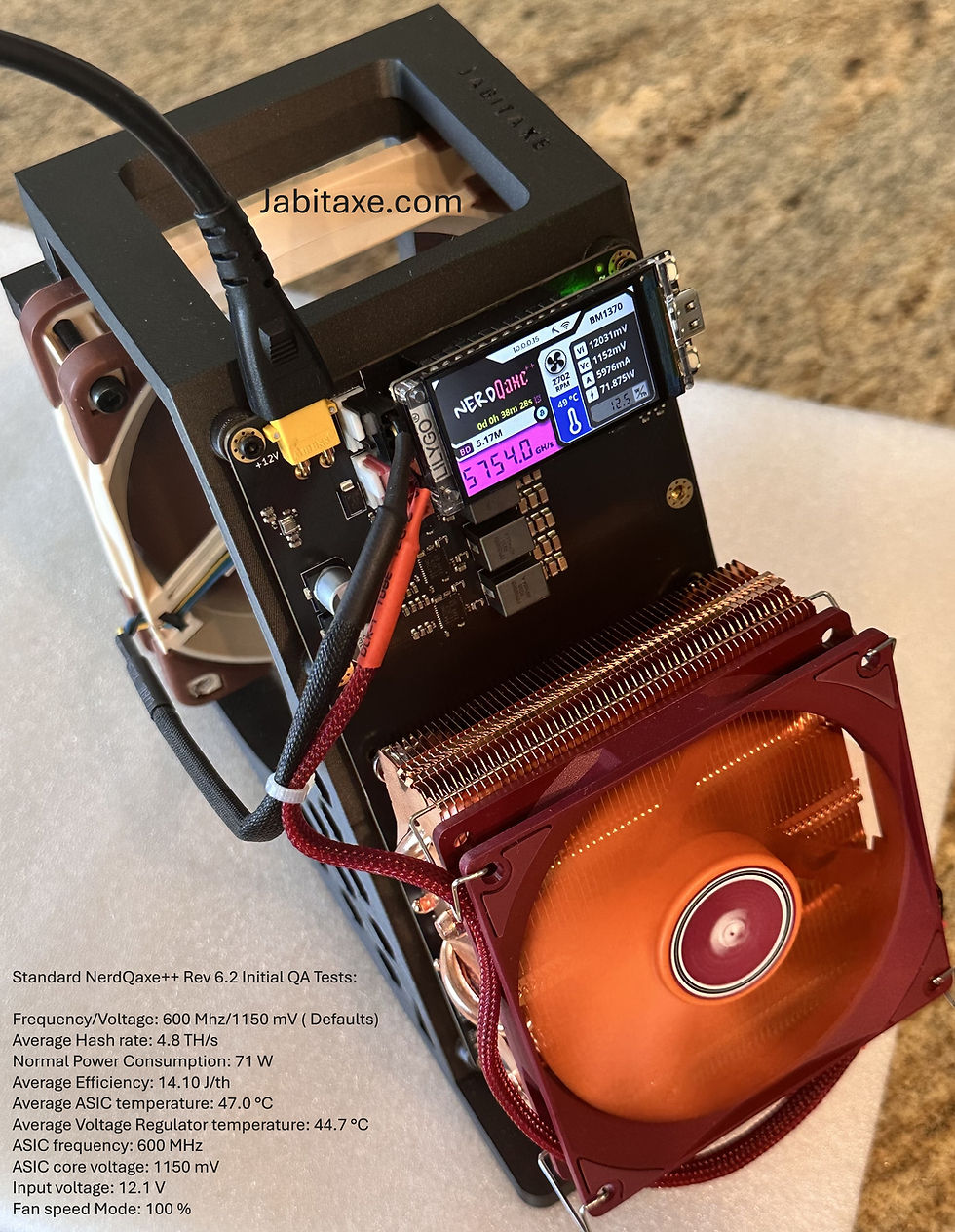
Sophisticated scammers exploit unsuspecting buyers of the NerdQaxe++ Rev 6.1 , NerdQX, NerdOctaxe Rev 3.1 , Bitaxe Gamma 601 and Bitaxe GT 801 Bitcoin ASIC miners by weaponizing its open-source nature, offering fake "low-cost factory production" discounts that conceal altered hardware and malicious, closed-source firmware. Because genuine Bitaxe and NerdQaxe architectures are open-source, anyone can legally manufacture them. Scammers exploit this by convincing buyers that third-party Chinese resellers can sell identical hardware at a fraction of the standard retail price.
1. Off-Platform Payment Funnelling
Scammers list the NerdQaxe++ Rev 6.1 , NerdQX, NerdOctaxe Rev 3.1 , Bitaxe Gamma 601 and Bitaxe GT 801 at impossibly low prices on popular marketplaces like AliExpress or Temu. Once a buyer engages, the seller claims that to secure the "low-cost bulk production discount," the transaction must be completed off-platform using WhatsApp, Telegram, or cryptocurrency. This strips the buyer of all e-commerce consumer protections and escrow safety nets, leaving them with no recourse when a fake product or nothing arrives.
2. Malicious and Closed-Source Firmware
For buyers who do receive physical hardware, the "cheap" NerdQaxe++ units often ship with secretly modified, closed-source firmware rather than the transparent factory standards. Sophisticated resellers have been caught removing the official "Update Firmware" buttons from the local web dashboard. They force users to connect to a closed, proprietary code repository to maintain the device. This modified software can look identical to the real UI but operates as a backdoor, allowing the reseller to redirect a percentage of the user's hashrate (hash-jacking) or compromise the local home network security.
3. Masked "Frankenstein" Hardware
Scammers use low-tier, rejected, or older ASIC chips (like older BM1366 variants) and mod them to spoof the performance of the highly efficient BM1370 ASIC chips featured in legitimate Nerd*axe or Bitaxe builds. They frequently outfit these devices with non-standard, larger screens or custom white PCBs to make the unit look highly advanced or unique. In reality, the official Bitaxe/NerdQaxe open-source UI does not render correctly on these cheap, altered displays, forcing victims to rely entirely on the scammer's compromised closed firmware.
4. Overclocking Burnout Traps
Unscrupulous resellers push the narrative that their "special factory revision" can handle massive overclocking out of the box. They do this to trick buyers into seeing high initial hashrates. However, because they cut corners on structural thermal management—omitting proper VRM heatsinks, high-quality thermal paste, or genuine XT30 power connectors—these units burn out within days or weeks, leaving the buyer with unpowered, fried hardware
Red Flags to Protect Yourself
Off-Platform Communication: Any request by an online merchant to move chat or payment to WhatsApp, Telegram, or direct Crypto off the actual website or ecommerce platform.
Missing GitHub Integration: If the miner's dashboard prevents you from pulling firmware directly from official open-source GitHub repositories.
"Buy 3 Get 1 Free" Bulk Promos: High-tech ASIC mining chips have strict market pricing; deep bulk discounts on individual units are almost statistically impossible
NOTE:
To avoid these traps, always buy from verified hardware distributors like official Jabitaxe.com , Solosatoshi.com or review official Legit resellers list at bitaxe.org that explicitly guarantee consumer buyer protection.
Please do your own research before you purchase your Nerd*axe or Bitaxe home miners. As they saying goes " You get what you pay for " and " There is no free lunch in business " . If you get free lunch then you are the sucker or the product being sold i.e you are the one being scammed.
Most users or buyers who have been scammed are so ashamed about how easily they got scammed that they don't want to share or even think about it. So scammers keep just recycling the scheme over and over to new unsuspecting buyers.


Comments